

Sustainable Drainage Systems (SuDS)
Revolutionizing Urban Water Management for a Flood-Free Future
Transform surface water runoff challenges into sustainable solutions that protect communities, enhance biodiversity, and comply with national standards.
Transform Your Development with Natural Water Management Solutions That Prevent Flooding and Protect the Environment
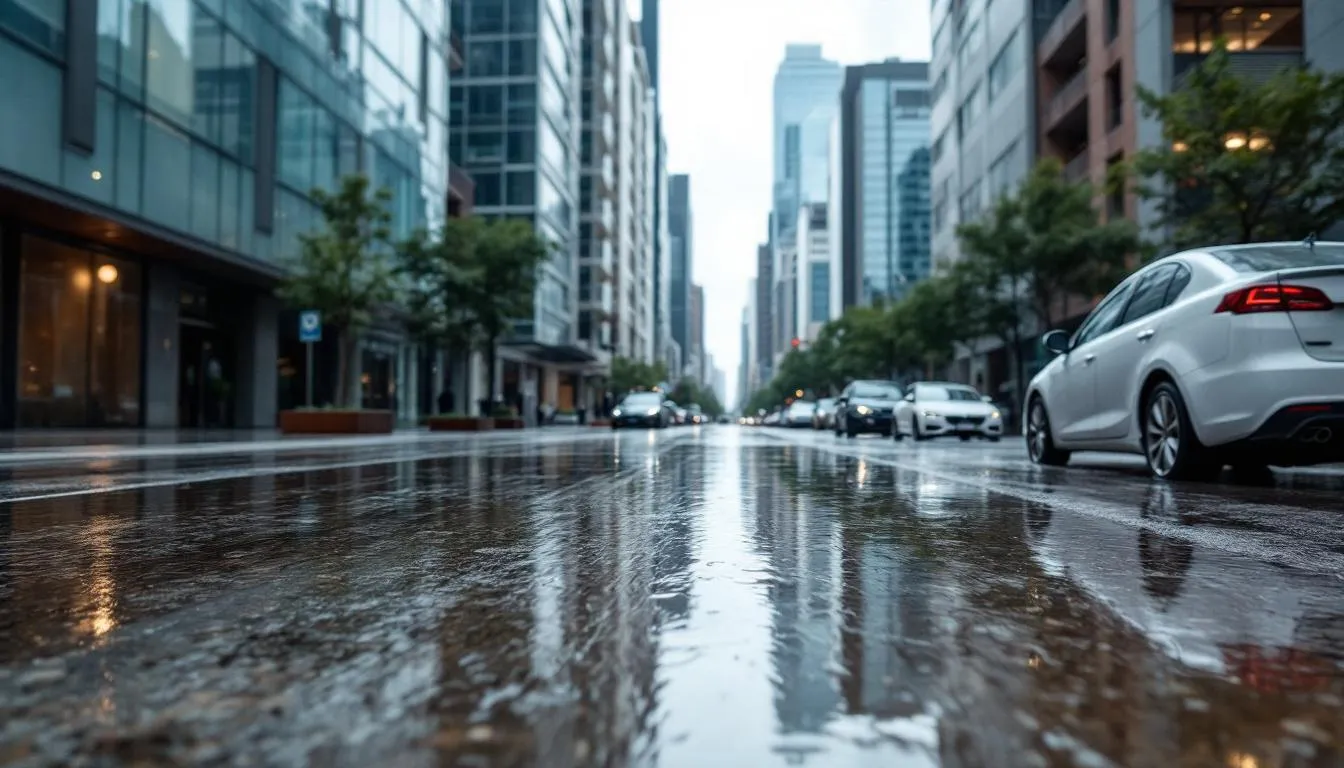
Urban flooding is escalating rapidly due to climate change and increased rainfall intensity, with traditional drainage systems failing during extreme weather events. These failures cause significant property damage, environmental pollution, and overwhelm existing infrastructure. Sustainable drainage systems (SuDS) offer a revolutionary approach that mimic natural drainage processes to manage surface water runoff effectively, while meeting legal requirements under the Flood and Water Management Act 2010 for new developments.
Why Choose Sustainable Drainage Systems (SuDS)?
SuDS deliver comprehensive flood risk management through natural water cycle integration, providing multiple benefits over traditional drainage infrastructure.
Flood Risk Reduction
Manages peak runoff rates up to 50% AEP events and prevents downstream flooding through natural attenuation, reducing flood risk by up to 50% in urban areas
Water Quality Protection
Removes pollutants including heavy metals through vegetation filtration and biological processes before discharge to water bodies, protecting public health and water environment
Biodiversity Enhancement
Creates diverse ecosystems with rain gardens, wetlands, and green corridors supporting local wildlife while contributing to Biodiversity Net Gain initiatives
Climate Resilience
Combats urban heat island effects through evapotranspiration from green roofs and vegetation, providing cooling and climate change adaptation
Regulatory Compliance
Meets national standards and local planning requirements without complex engineering solutions, ensuring planning applications proceed smoothly
How SuDS Implementation Works
The management train approach ensures effective surface water drainage systems through systematic implementation following industry best practices.
Step 1: Site Assessment and Design
Conduct geotechnical investigations to determine soil infiltration rates and groundwater levels using industry testing methods. Minimum infiltration capacity of 1x10⁻⁶ m/s is required, with assessment of groundwater level maintaining 1m minimum between infiltration base and maximum groundwater level. This process typically takes 4-8 weeks following BS EN 16941 standards.
Step 2: Management Train Creation
Implement source controls (permeable paving, green roofs), site controls (swales, detention basins), and regional controls following the runoff destination hierarchy: infiltration to ground first, then surface water bodies, with sewers as last resort. Installation phase spans 12-24 weeks depending on development site complexity.
Step 3: Installation and Adoption
Construct SuDS features with proper maintenance access and establish adoption agreements with sewerage undertakers or local authorities. Since April 2020, sewerage undertakers can adopt SuDS systems under Code for Adoption Agreements, with verification successful waiting periods of 6-12 months for final approval.
What Makes SuDS Different from Traditional Drainage?
Sustainable drainage systems represent a fundamental shift from conventional urban drainage approaches, delivering superior performance across multiple criteria.
Natural Water Cycle Integration – Follows runoff destination hierarchy through infiltration systems, surface water discharge, and conveyance that mimic natural drainage processes rather than rapid pipe-based removal
Multi-Benefit Approach – Delivers flood protection, water quality improvement, amenity spaces, and biodiversity enhancement simultaneously, unlike traditional systems focused solely on water removal
Climate Change Adaptation – Designed with Upper End climate change allowances and urban creep factors of 10% impermeable area increase, ensuring long-term resilience during storm events
Aspect
Traditional Drainage
Sustainable Drainage Systems
Flow Management
Rapid removal via pipes
Attenuation and infiltration
Flood Risk
Downstream transfer
On-site management
Water Quality
No treatment
Pollutant removal
Biodiversity
No enhancement
Habitat creation
Climate Resilience
Fixed capacity
Adaptable systems
Proven Success Stories
Real-world implementation demonstrates the effectiveness of sustainable drainage in diverse environments, with documented performance improvements.
BGS SuDS Observatory, Oxfordshire
Demonstrates permeable pavement performance over Thames Valley Formation geology with comprehensive monitoring data showing 95% rainfall infiltration rates and effective pollutant removal across different storm event intensities.
London Combined Sewer Relief
Thames21 projects showing reduced sewage overflow incidents from weekly occurrences to minimal through strategic SuDS implementation, protecting the River Thames from dirty water discharges during heavy rainfall events.
West Berkshire Council Developments
Multiple approved SuDS schemes meeting Flood and Water Management Act 2010 requirements, with 60% reduction in surface water flooding incidents and enhanced local wildlife habitats through rain gardens and constructed wetlands.
Performance data shows SuDS consistently outperform traditional systems, with flow rates managed effectively during 1 in 100 year rainfall events plus climate change allowances.
SuDS Components and Costs
Comprehensive sustainable drainage system design incorporates multiple components across the management train, with costs varying by scale and complexity.

Source Control Features
Permeable paving (£15-45/m²), green roofs (£80-200/m²), rainwater harvesting systems for immediate runoff management at property level

Site Control Systems
Swales (£50-150/linear meter), detention basins (£20-80/m³ storage), bioretention areas with typical costs including minimum depth requirements and infiltration capacity assessments

Regional Control Infrastructure
Constructed wetlands (£100-300/m³), large attenuation ponds for major developments, designed for 60-year design life with integrated landscape architects involvement
Lifecycle cost analysis demonstrates 20-40% savings compared to traditional drainage over 60-year design periods, with reduced maintenance requirements and multiple benefit delivery reducing overall infrastructure investment.
Frequently Asked Questions
Common concerns about sustainable drainage implementation are addressed through established industry guidance and regulatory frameworks.
What infiltration rate is required for SuDS?
How close can SuDS be to buildings?
Who maintains SuDS after installation?
Do SuDS work in winter conditions?
Start Your SuDS Project Today
Begin your sustainable drainage journey with proper regulatory engagement and expert guidance to ensure successful implementation.
Get Started with Your SuDS Assessment
Contact your Lead Local Flood Authority (LLFA) for pre-application discussions and local requirements. Engage early with Environment Agency, sewerage undertakers, and relevant risk management authorities during design development. Reference local Strategic Flood Risk Assessments (SFRA) and Drainage and Wastewater Management Plans (DWMPs) for site-specific guidance.
Verified performance. Regulatory compliance. Environmental protection.
For immediate guidance on your development site requirements, contact your local planning authority’s drainage team or consulting engineers specializing in sustainable development. Early engagement ensures smooth planning applications and optimal SuDS design for your specific ground conditions and rainfall patterns.

Services